Comment est calculée la probabilité de Minage Solo ?
Nous avons récemment annoncé une nouvelle fonctionnalité "Catch the Block" . dans cet article, nous allons voir comment fonctionne le minage solo et comment est calculée la probabilité "d'attraper" ou de trouver un bloc sur la blockchain.
Qu'est-ce que le minage en solo ?
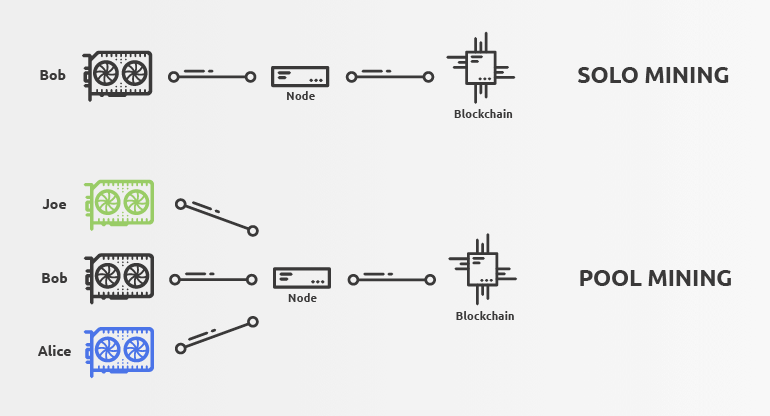
Le minage en solo est une tentative de confirmer des blocs de transactions sur la blockchain uniquement en tant que mineur individuel. En d'autres termes, le minage en solo est un moyen de miner des crypto-monnaies sans pools.
Satoshi Nakamoto a écrit: "un CPU, un vote", ce qui signifie que toute personne possédant un PC à la maison pourrait voter pour une mise à jour du protocole ou toute autre décision sur la blockchain.
Pour quelqu'un de voter sur la blockchain, il/elle doit mettre en place un node. Ensuite, le mineur peut commencer à miner via ce nœud. Le mineur est en concurrence avec d'autres nœuds et mineurs pour confirmer le bloc de transactions en premier. C'est ce qu'on appelle le minage en solo. Un mineur tente de confirmer des blocs en minant par lui-même, sans l'aide des autres (pools).
Le contraire de Solo mining c'est Pool mining. Le minage en pool est un processus très similaire au minage en solo. Pourtant, au lieu que le mineur tente de confirmer le bloc par lui-même, il obtient l'aide d'autres mineurs, donc augmente la probabilité de trouver ou d'attraper le bloc. Tous les mineurs partageront les récompenses en fonction de la quantité de travail qu'ils ont contribué.
You can read more about what solo mining is in this article dedicated to solo mining.
What is the probability of catching the block solo mining?
Solo mining nowadays is very dependent on the luck factor. Some people are trying to mine Bitcoin with only one ASIC machine, but they also have the opportunity to confirm the block and catch an astonishing 6.25 BTC reward! The probability of finding a block vastly depends on the amount of hashrate a solo miner uses for mining.
If the miner has 1/3 of the total blockchain network hashrate, then it will statistically catch each third block.
Let's take a look at solo mining with one of the top-of-the-line ASIC and what is its probability of finding a block.
AntMiner S19 XP speed: 140 TH/s
Bitcoin Network Hashrate: 215,370,000 TH/s
Bitcoin Block Time: 10 minutes
If the above example, AntMiner S19 XP has 1/1538357 of the network hashrate. The miner has a 0.000065% chance of catching the block every 10 minutes. This means that it will statistically catch a block every 1538357 blocks or 10683 days, which equals to 29 years.
How is the probability of catching the block solo mining with NiceHash?
NiceHash's Catch the Block works very similarly to solo mining with an ASIC. Except that you are buying hashing power for a specific timeframe. In that timeframe, you have a chance to hit a block and earn the full reward.
Another difference is that NiceHash allows you to buy different packages. You can buy a package with a smaller hashrate, pay less for it but have lower chances of catching a block. Or you can buy the bigger one and pay more, thus increasing the chance of catching the block.
Let's take a look at an example of the probability of catching a block solo mining Bitcoin.
Gold L package price: 0.01 BTC or ≈ €195 at the time of writing this article
Bitcoin Network Hashrate: 215,370,000 TH/s
Bitcoin Block Time: 10 minutes
Package Time: 60 minute (can last longer or shorter)
By buying the Gold L package with the above price (price will fluctuate), you would get 12652.6 TH/s of hashing speed for a particular time, for example, let's say it will last 60 minutes. You have a 0.00587% chance of finding a block. Because the package will be active for 60 minutes and Bitcoin block time is 10 minutes, you will have a chance to catch more than 1 block (although very small)!
The best thing about is that you can catch multiple blocks with just one bought package: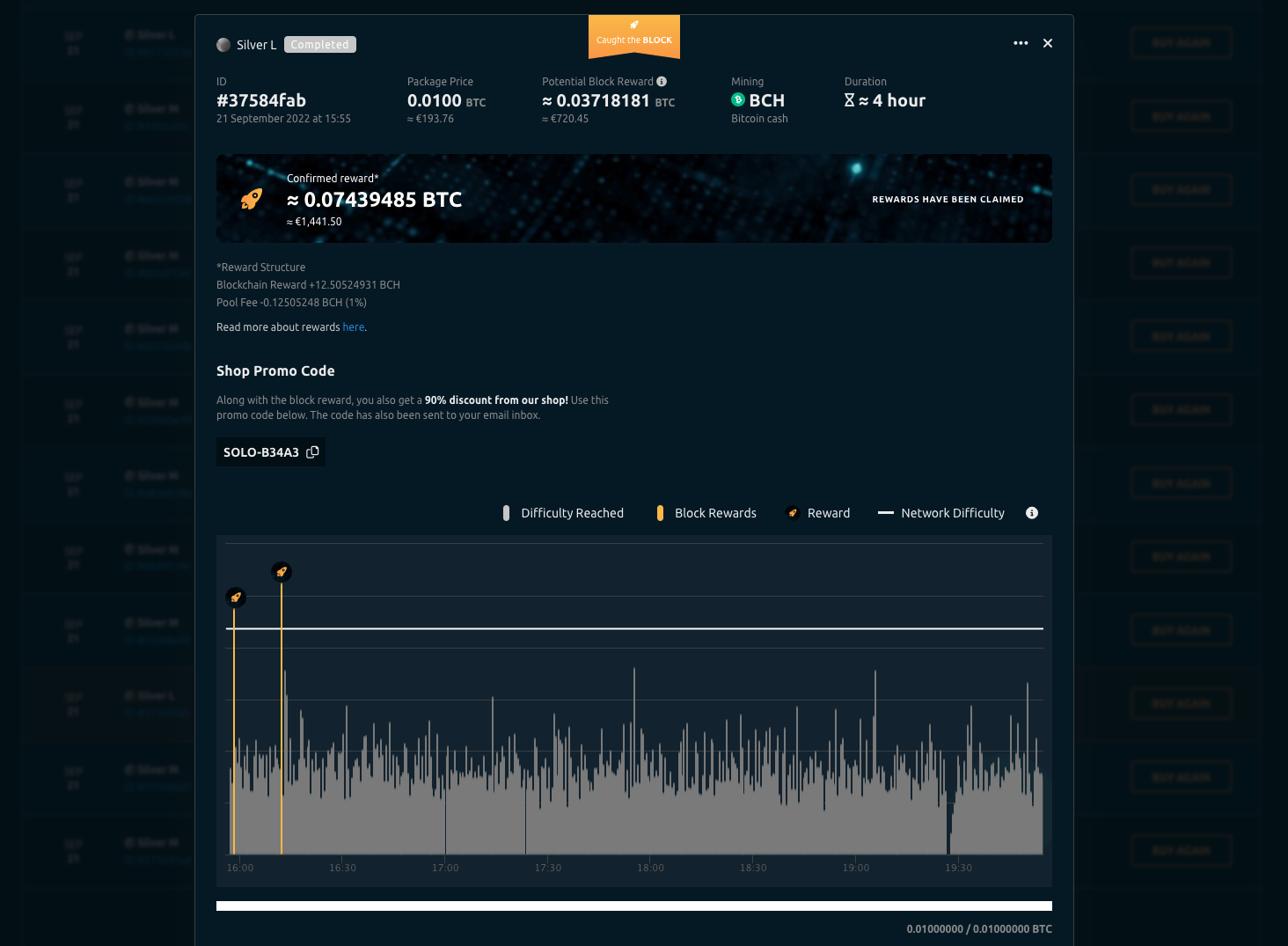
Probability formula
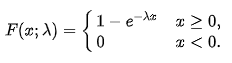
Assume a Poisson process to model the block arrivals. A Poisson process is one in which new events (or arrivals) occur at random intervals following the exponential distribution. An essential characteristic of a Poisson distribution is memoryless; the intervals between any two events are independent of, and statistically identical to, each other.
The probability of an event occurring at least once in a given time interval is the complement of the event never occurs. We can then define the probability of at least one occurrence in less than a given time interval using the exponential cumulative distribution function (CDF):