需要帮助?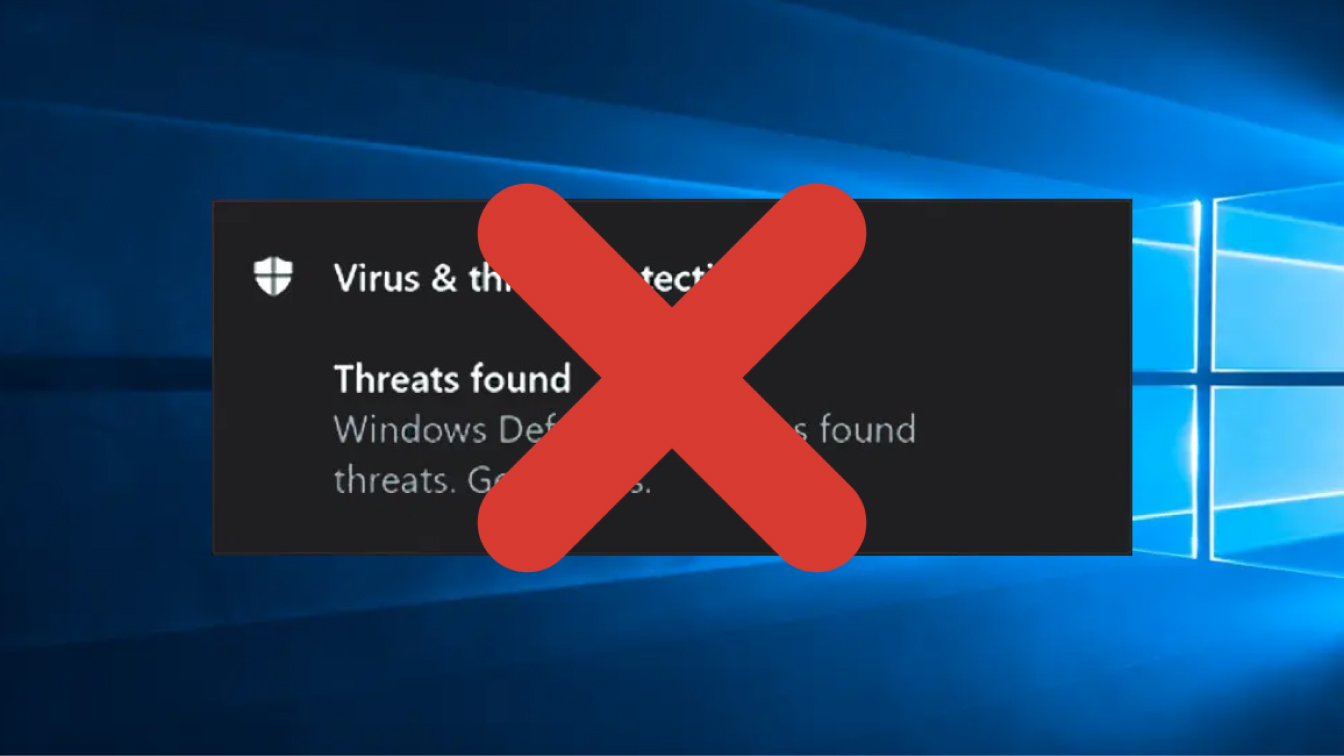
主页
抗议微软公司的请愿书
该请愿书的具体内容?
谁会受到影响?
解决方案
您可以做些什么?
Appendix
如何签署请愿书
请协助宣传
抗议微软公司的请愿书
NiceHash请求整个加密货币社区齐心协力,推翻微软公司针对加密货币挖矿软件的极具歧视性质的政策。
该请愿书的具体内容?
目前,有很多合法化的挖矿软件程序被Windows操作系统错误地标记为恶意软件或PUA文件(即可能不需要的应用程序)。
我们认为这是一种不合逻辑且不切实际的做法,需重新审查。有以下几方面因素:
- 将加密货币的应用限制在大型矿场,不利于加密货币的去中心化发展。(附录 1)
- 基于策略以及无效的技术因素,错误地标记合法软件,导致Windows Defender以及防毒软件的信任降低,用户开始怀疑这些合法软件的效率。(附录 2)
- 迫使用户关闭Windows Defender功能,导致用户受到其他真正的恶意软件的感染的几率大大增加(附录 10)且没有考虑到用户安装并使用这些挖矿软件的真实需求。(附录 9)
- 总的来说,会伤害区块链以及加密货币行业的声誉。(附录 4)
- 削弱区块链项目的安全性能,因为基于区块链技术的项目运用去中心化机制来实现其安全机制。(附录 5)
- 同时揭示了有关微软“反竞争”行为的相关问题,因为微软方面已经为自有的挖矿应用程序申请了专利,这一迹象表明其可能在未来推出自己的挖矿产品。 (附录 3)
该政策将同时导致:
- 阻碍新用户进入区块链技术领域,进而将新人以及潜在的人才拒之门外。(附录 6)
- 加剧环境的破坏,因为这种政策鼓励大型矿场,而不是使用电力较少、更容易从可持续新能源中获取能源的家用小型挖矿设备。(附录 7)
- 对贫富差距有负面影响,因为其将持续增加由一小部分的大型矿场主的财富,而个人及小型矿工将无法参与加密货币挖矿。(附录 8)
谁会受到影响?
- 用户超过3百万的挖矿软件。
- 数百万潜在的技术新人,而这些人正在被微软公司肆意妄为的政策赶走。
- 所有使用加密货币或对加密货币感兴趣的人,以及关心区块链技术未来的稳定性、可持续发展性以及安全性的人们。
解决方案
我们要求Windows Defender识别并允许来源可信的挖矿软件,包括具备EV证书切代码已签名的软件、软件作者公开且经证实为安全的挖矿软件(诸如NiceHash QuickMiner、Excavator以及XMRig等),且允许用户安装并正常地使用这些软件。如果没有额外的软件组件,第三方则无法带有恶意目标地安装挖矿软件。因此,Windows Defender必须停止对合法软件的阻止行为,而是保护用户免受真正的恶意软件的侵害。
您可以做些什么?
- 签署请愿书携手共同保护区块链技术及挖矿社区。
- 宣称当前微软的政策对去中心化世界的危害。
- 将这个请愿书分享给那些关系加密货币社区的人,并告知他们签署这个请愿书的重要性。
Appendix:
The following information details our stance and the imminent dangers and consequences of not taking action.
Appendix 1: Decentralization
Decentralization is a key factor in the usability of blockchain and cryptocurrencies. Without it, many projects will either fail or are subject to security issues or price manipulations. The current situation is headed dangerously towards less and less decentralization (notably with Bitcoin, among others). By blacklisting or blocking mining software, Windows Defender is essentially contributing to the centralization of blockchains as their policy prevents or discourages individuals from mining, resulting in increasing the share of big mining farms. This is a very dangerous practice.
Appendix 2: Policy
The response from Microsoft support informed us that “mining software uses device resources and results in the degradation of user experience and productivity” and therefore is labeled as a PUA. This simply does not make any sense since, by that definition, computer games, bench-marking tools, rendering apps, and similar types of software should also be considered as PUAs. We can only conclude that this is simply Microsoft's policy and not a valid technical reason, which highlights the dangers of such policies: discriminating against certain types of legitimate software is a dangerous practice that threatens the democracy of organizations such as Microsoft, and can lead to a widespread view of corruption in Microsoft’s own reputation. This also raises questions as to anti-competitive behavior.
Appendix 3: Anti-competitive behavior
Microsoft has filed patents for their own mining applications*, and while this is aimed at using alternative methods of mining, it still demonstrates that Microsoft is actively looking at their own products in the mining sphere. Given that the current behavior is based on policy and not technical reasons, this raises a question as to whether Microsoft is deliberately blocking other mining software in order to later promote their own product. If this is proven to be the case, Microsoft faces serious consequences for their practices and presents an even bigger threat to decentralization and other companies. This would not be the first time in Microsoft’s history, since they are well known for malicious marketing tactics.
Appendix 4: Reputation
As with all new technologies, blockchain relies on a certain amount of user trust as well as technical fundamentals. Incorrectly flagging mining software as PUAs or malware adds negativity to the image of cryptocurrencies and blockchain projects, not to mention negatively affecting the reputation of the companies and start-ups making the software (such as NiceHash) who are working hard to encourage decentralization. This practice goes further since it also damages Microsoft’s own reputation in their abilities to produce effective anti-virus software.
Appendix 5: Security
Blockchain technologies rely on decentralization as a security mechanism, therefore it goes without saying that encouraging the centralization of cryptocurrencies, as Microsoft is doing, decreases the security of many projects around the world. Preventing people from mining small amounts on their own computers is not increasing security as Microsoft suggests, it is actually making the security situation worse. Users are forced to completely disable Windows Defender in order to mine small amounts of cryptocurrencies. This diminishes the security of their computers. Microsoft’s blog points out that their policy is designed to prevent crypto-jacking of computer systems, and on their own website cites that “coin miners aren't inherently malicious” and in reality, their approach is counterproductive.
Appendix 6: Newcomers
For many people interested in blockchain technologies, one of the typical ways to get into the field is by experimenting with mining to get a better understanding of how things work. By discouraging new users with Windows Defenders’ excessive warnings and labeling policies, many potential new talents to the industry are turned away, and users will simply be less likely to use cryptocurrencies.
Appendix 7: Environment
Forcing away home-sized miners pushes the computing power into the hands of large mining farms. Home users of mining software typically have one or two GPUs that have significantly lower power usage. A home user can more easily switch to sustainable energy than a large mining farm, many of which still use coal as a power source. Encouraging large-scale farming like Microsoft is doing by blocking home users, is essentially contributing to intense power use in centralized clusters and indirectly promoting the use of non-renewable energy.
Appendix 8: The wealth gap
The consequences of hampering decentralization have other impacts too. Notably, in increasing the gap between rich and poor, since if small miners are blocked from generating revenue, the hash power falls into the hands of big mining farms. These are owned by a very small percentage of people, who then control all the supply of wealth which can therefore easily be used to manipulate the market. We ask why Microsoft wishes to contribute to impoverishment, instead of helping to promote equality.
Appendix 9: The user’s choice
It goes without saying that if a user downloads and installs mining software, then they actually want to use that software with their computer hardware (which they own). We would like to think that with the technical capacities of Microsoft, that Windows Defender could recognize that it is the computer user who is downloading and manually running the software. It should not be necessary to block every single mining application just to prevent misuse. Microsoft is under-using its capacities to fix this issue.
Appendix 10: Open source software
Many mining software applications are open source or use open source repositories. It is well known that open-sourcing software code has a huge benefit towards combating malware, since anyone can review the code, resulting in it being made more stable and secure. Code that is signed with an EV digital signature is further enhanced, as it has been through a rigorous screening process. We, therefore, see no justifiable reason to block these applications.
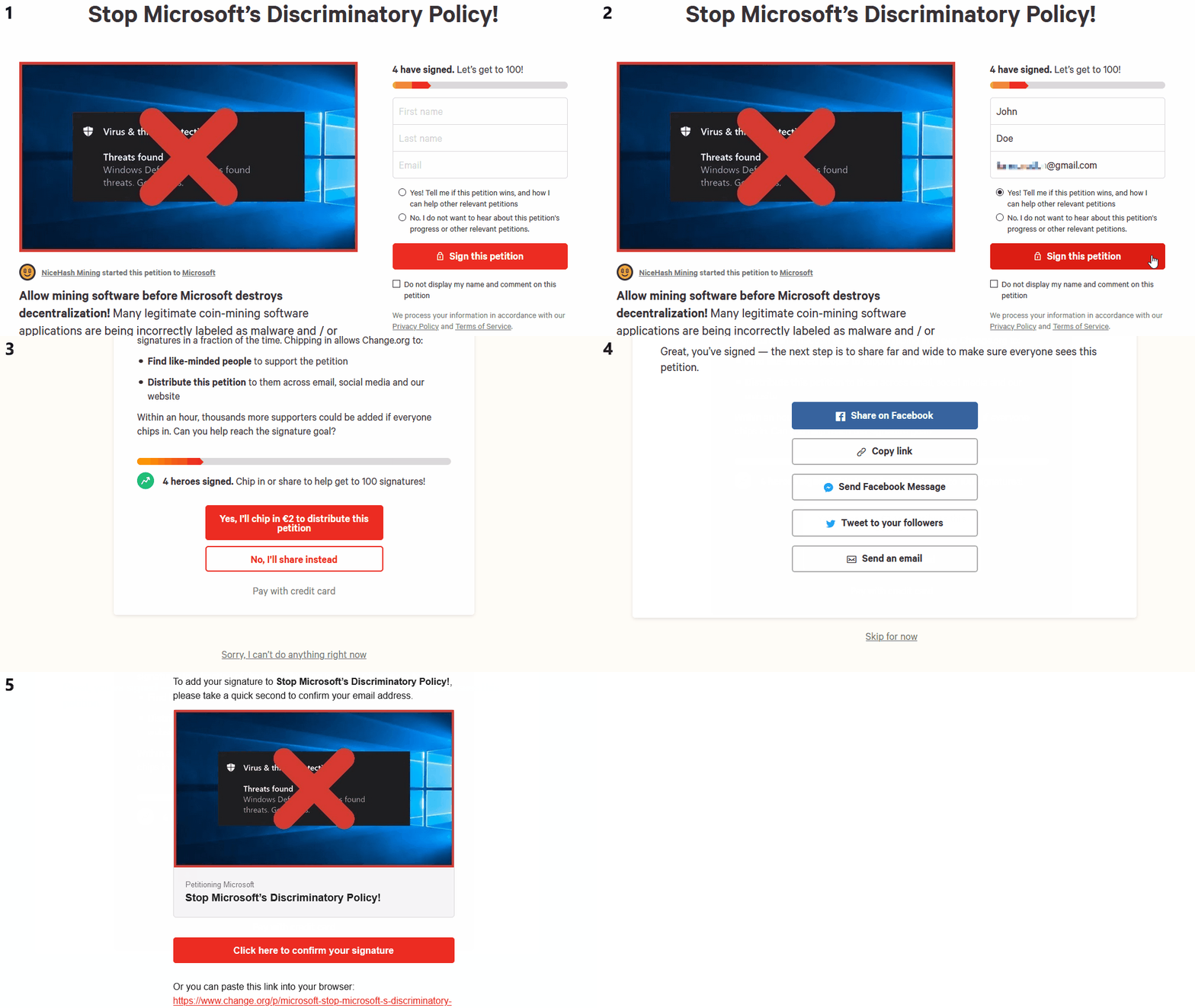
如何签署请愿书
指南
- 访问change.org;
- 填写右侧的表格并点击“Sign this petition";
- 分享这个请愿书并跳过最后一步;
- 打开您的邮箱收件箱并确认该请愿书。
感谢您的对矿工社区的贡献!
网站使用确保您获得最佳的用户体验。