What are Bitcoin Ordinal Inscriptions (NFTs)?
In January 2023, Casey Rodarmor launched the Ordinals protocol, making NFTs in the Bitcoin network a possibility.
During the last few years, Bitcoin has gotten important upgrades that ultimately allowed for the creation of Ordinals. While the main goal of upgrades like SegWit and Taproot was not to create a system for NFTs in Bitcoin, they did set the necessary conditions to have one.
What are Ordinals and Inscriptions in Bitcoin?
The Ordinals system in Bitcoin allows for each individual sat, or satoshi (0.00000001 BTC), to be ordered and uniquely identifiable. By following the Ordinal Theory, it is possible to assign an ID to each satoshi based on when it was mined and the order in which it was transferred. This creates the non-fungible property necessary for making an NFT in Bitcoin.
Unlike other blockchains that have a specific metadata section to store the NFT’s data (image, video, text), in Bitcoin it is stored within the “witness data” of the transaction. That is where the term Inscriptions comes from, as the data is “inscribed” in this section of the transaction.
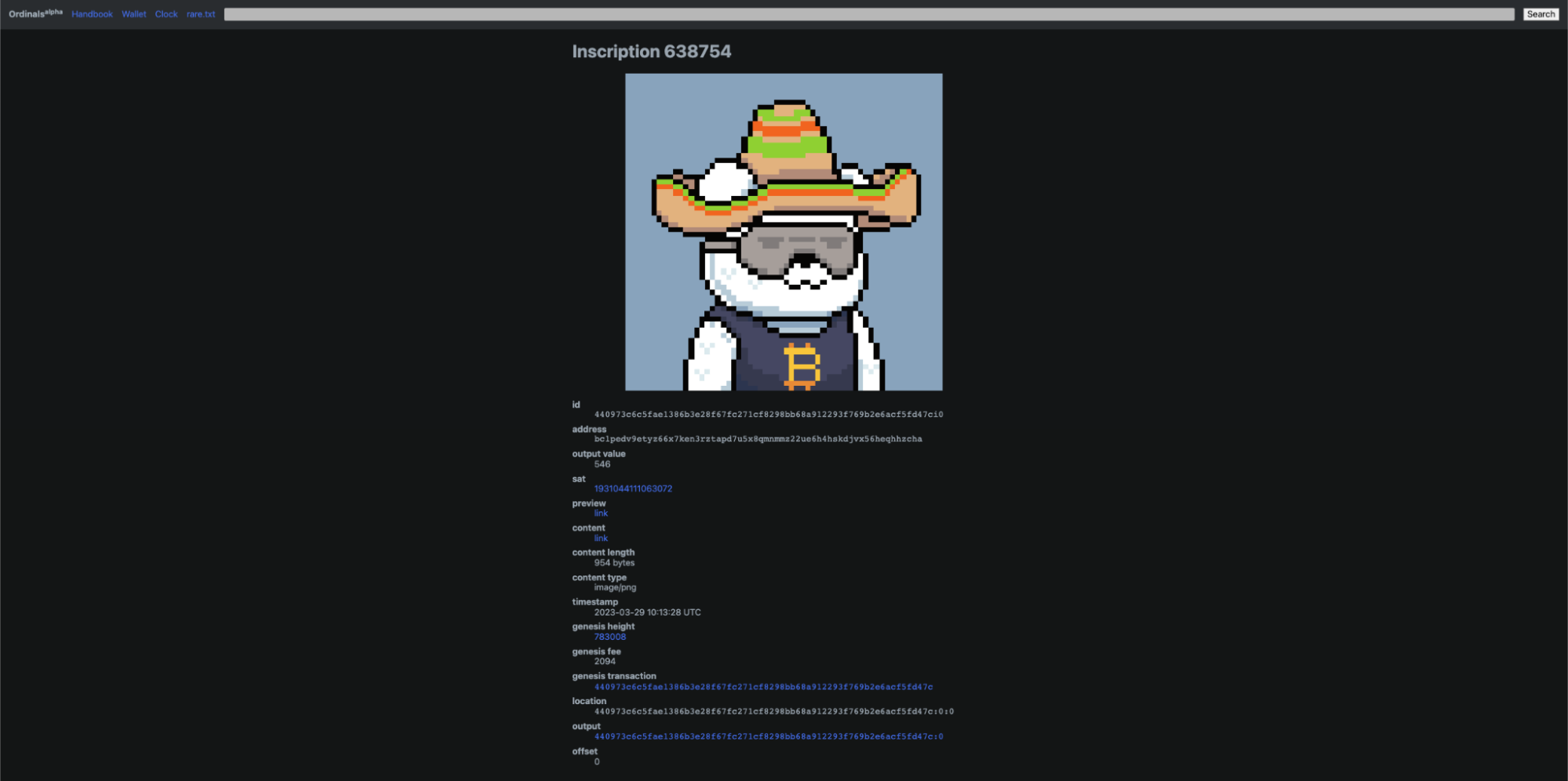
The uniqueness of Ordinal Inscriptions (NFTs) in Bitcoin.
The Ordinal Theory in Bitcoin is simply a way of ordering sats, and it is not something recognized by the protocol. This means that it is totally up to the community and tools to follow the Ordinal Theory and recognize the NFTs. An example of such a tool is the ordinals.com website that allows anyone to view Inscriptions online.
This means that unlike NFTs in most other networks, the Bitcoin sats themselves are still fungible despite holding other data. It allows users to completely ignore the NFT itself and use the sat to make a payment or to cover transaction fees.
How did SegWit and Taproot upgrades allow for NFTs in Bitcoin?
In 2017, Bitcoin went through a softfork that implemented the Segwit upgrade to the Bitcoin protocol. SegWit, allowed for the segregation of Bitcoin transactions in two sections, allowing the “witness data” section to support arbitrary data. While it was not the main goal of this upgrade, it paved the way for Bitcoin NFTs by expanding the amount of arbitrary data that could be stored in a transaction.
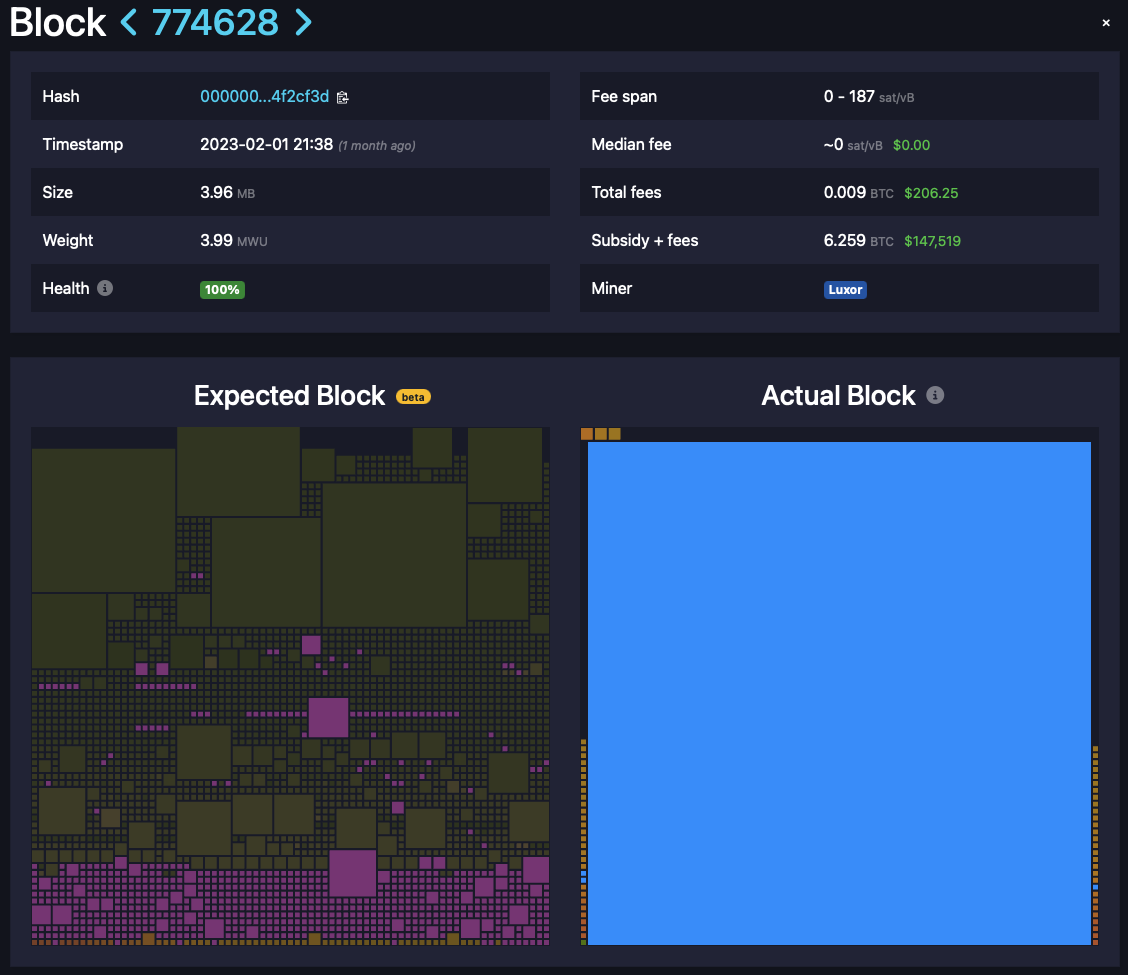
Years later, in 2021, the Taproot upgrade took place in the Bitcoin network and dramatically improved privacy and capabilities of Bitcoin smart contracts. It also created an easier system to store data in a transaction, and reduced the limitations on how much of it could be stored. With this in place, an Ordinal Inscription can take the entire block size of 4MB and, in fact, it has already happened!