How is EasyMining probability calculated?
We have recently announced our new EasyMining feature. In this article, we are going to take a look at how solo mining works and how is the probability of mining a block on a blockchain calculated.
What is solo mining?
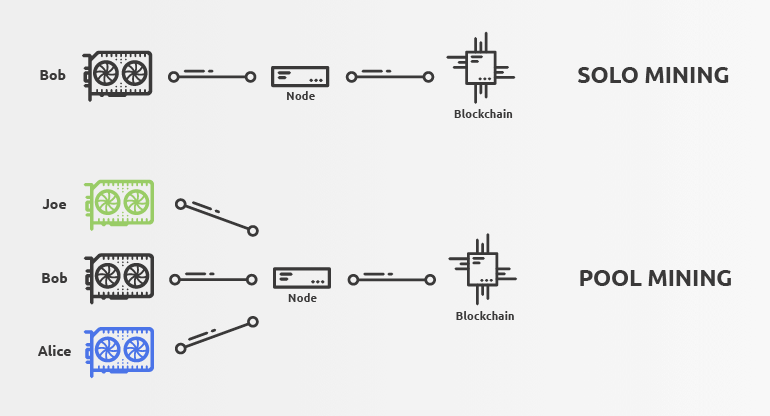
Solo mining is an attempt to confirm blocks of transactions on the blockchain alone as an individual miner. In other words, solo mining is a way of mining cryptocurrencies without pools.
Satoshi Nakamoto wrote: "one CPU, one vote", which means that every person owning a PC at home could vote for a protocol upgrade or any other decision on the blockchain.
For someone to vote on the blockchain, he/she must set up a node. Then the miner can start mining via that node. The miner is competing against other nodes and miners to confirm the block of transactions first. This is called solo mining. A miner is attempting to confirm blocks by mining by himself, without the help of others (pools).
The opposite of Solo mining is Pool mining. Pool mining is a very similar process to solo mining. Still, instead of the miner attempting to confirm the block by himself, it gets help from other miners, thus increasing the probability of finding or catching the block. All the miners will split the rewards based on how much work they contributed.
You can read more about what solo mining is in this article dedicated to solo mining.
What is the probability of mining a block solo mining?
Solo mining nowadays is very dependent on the luck factor. Some people are trying to mine Bitcoin with only one ASIC machine, but they also have the opportunity to confirm the block and catch an astonishing 6.25 BTC reward! The probability of finding a block vastly depends on the amount of hashrate a solo miner uses for mining.
If the miner has 1/3 of the total blockchain network hashrate, then it will statistically mine each third block.
Let's take a look at solo mining with one of the top-of-the-line ASIC and what is its probability of finding a block.
AntMiner S19 XP speed: 140 TH/s
Bitcoin Network Hashrate: 215,370,000 TH/s
Bitcoin Block Time: 10 minutes
If the above example, AntMiner S19 XP has 1/1538357 of the network hashrate. The miner has a 0.000065% chance of catching the block every 10 minutes. This means that it will statistically mine a block every 1538357 blocks or 10683 days, which equals to 29 years.
How is the probability of mining a block solo mining with NiceHash?
NiceHash's EasyMining works very similarly to solo mining with an ASIC. Except that you are buying hashing power for a specific timeframe. In that timeframe, you have a chance to hit a block and earn the full reward.
Another difference is that NiceHash allows you to buy different packages. You can buy a package with a smaller hashrate, pay less for it but have lower chances of mining a block. Or you can buy the bigger one and pay more, thus increasing the chance of mining the block.
Let's take a look at an example of the probability of mining a block solo mining Bitcoin.
Gold L package price: 0.01 BTC or ≈ €195 at the time of writing this article
Bitcoin Network Hashrate: 215,370,000 TH/s
Bitcoin Block Time: 10 minutes
Package Time: 60 minute (can last longer or shorter)
By buying the Gold L package with the above price (price will fluctuate), you would get 12652.6 TH/s of hashing speed for a particular time, for example, let's say it will last 60 minutes. You have a 0.00587% chance of finding a block. Because the package will be active for 60 minutes and Bitcoin block time is 10 minutes, you will have a chance to mine more than 1 block (although very small)!
The best thing about is that you can mine multiple blocks with just one bought package: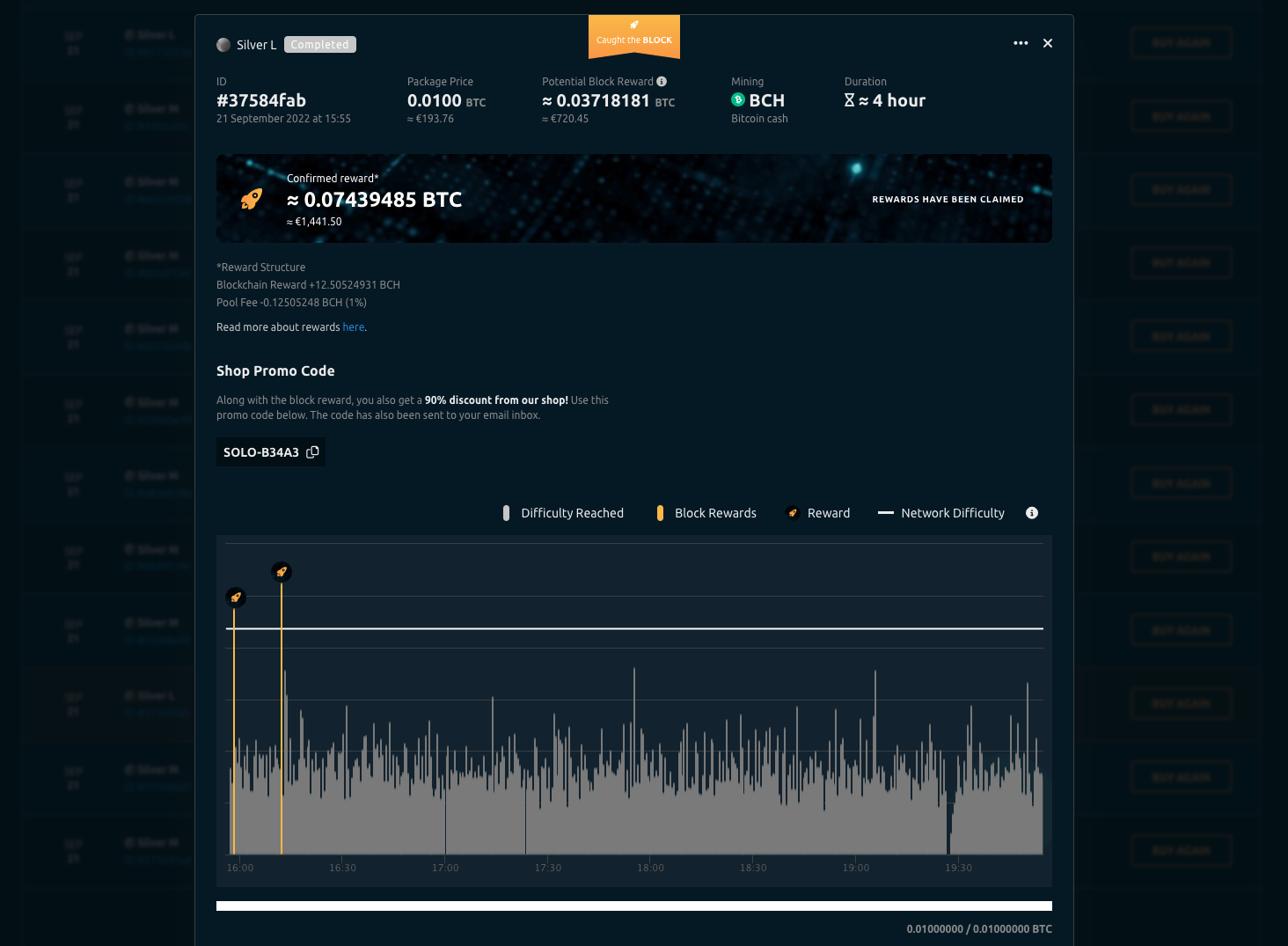
Probability formula
Assume a Poisson process to model the block arrivals. A Poisson process is one in which new events (or arrivals) occur at random intervals following the exponential distribution. An essential characteristic of a Poisson distribution is memoryless; the intervals between any two events are independent of, and statistically identical to, each other.
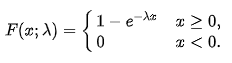
The probability of an event occurring at least once in a given time interval is the complement of the event never occurs. We can then define the probability of at least one occurrence in less than a given time interval using the exponential cumulative distribution function (CDF):