Blockchain Data Structure: The Key to More Efficient Supply Chain Management
Around the globe, organizations are beginning to understand the transformative capabilities of blockchain technology. Not only does it secure transactions with absolute clarity, but it also promotes an unrivaled level of efficiency.
The unique data structure of blockchain opens up a world of possibilities, promising to enhance traceability and accountability across industries. The result? Supply chains that are far more efficient and reliable than ever before.
And let's be honest. With the recent supply chain turbulence due to the COVID pandemic and various geopolitical issues, these improvements aren't just welcome — they're essential.
In this article, we’ll break down the complexity of the blockchain data structure and reveal how it plays a crucial role in making supply chain management more streamlined and effective.
Let’s dive in.
What Is Blockchain Data Structure?
Typically, you’ll hear the word blockchain jumbled together with all the other cryptocurrency jargon like Bitcoin and Ethereum. But what exactly is a blockchain data structure? And how can this technology apply to other sectors outside of cryptocurrency?
Well, think of it as a digital ledger distributed across a vast network of computers. Each of them holds a copy of the entire ledger. This phenomenon is known as decentralization and is one of blockchain's defining characteristics. In other words, there's no need for a central authority or intermediary here.
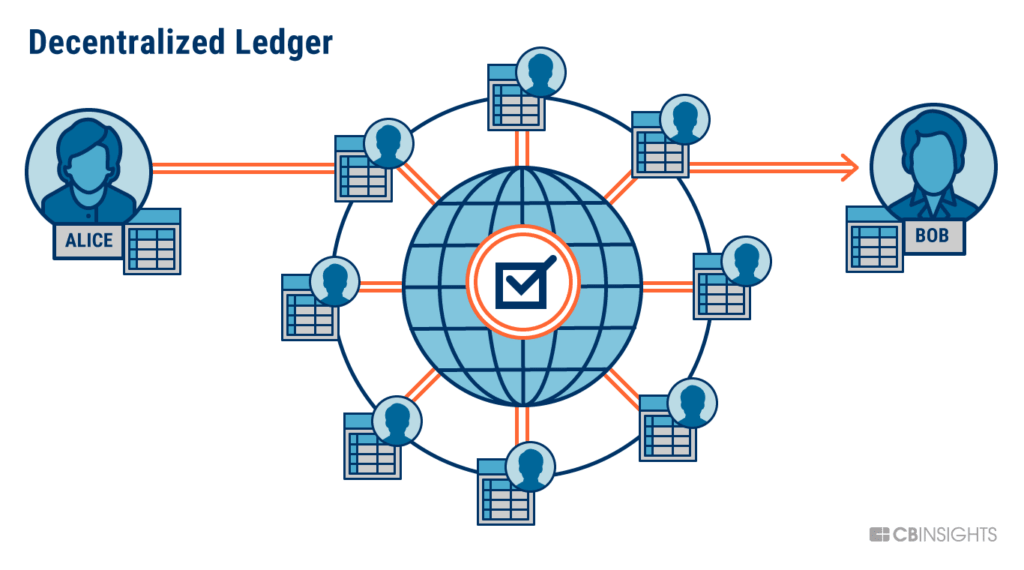
Each “'block” in a blockchain contains a list of transactions, and every time a new transaction occurs, it gets added to the end of the chain. Picture the formation of a fixed sequence of blocks — hence the name, blockchain.
But it's not just about the blocks. Enter cryptographic hashes — the secret sauce that makes a blockchain secure. Each block contains a unique code known as a “hash,” stored in the block’s header.
The block header also includes metadata like the previous block hash in the chain, a timestamp, and the Merkle root (a summary of all the transactions inside the block), creating a digital fingerprint.
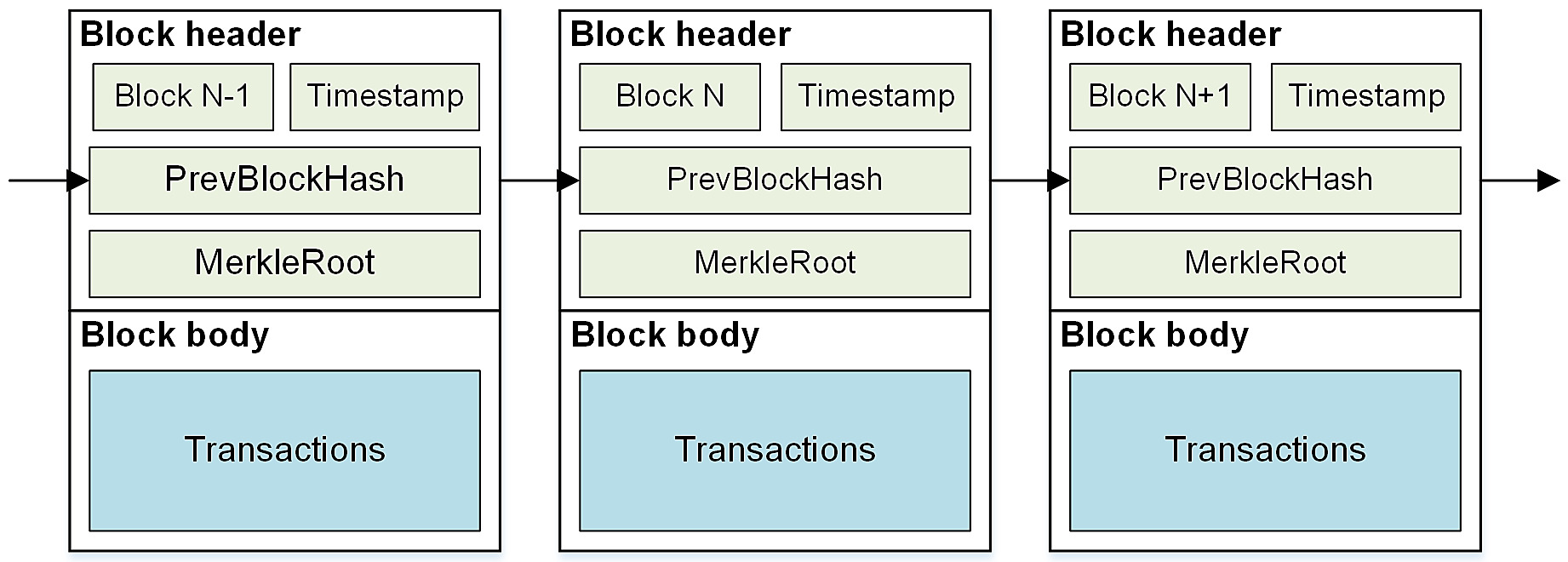
So if someone tries to alter a block, the hashes won't line up, and the network will know something fishy is happening.
In short, the blockchain data structure is a transparent, secure, and decentralized system that provides a tamper-proof and traceable record of transactions. And the potential uses for blockchain are extraordinary.
Take home loans as a perfect example. With blockchain, securing a home loan is a lot smoother. You’ll spend less time sorting out property details, confirming identities, and dealing with the mountains of paperwork. Plus, it adds better transparency and security than what you're used to with old-school methods.
The use of blockchain and cryptocurrencies, as we are seeing, has a lot of positive sides, the important thing is to be aware and informed about everything concerning their use, including government regulations and the crypto taxes you have to pay. Otherwise, you can run into unpleasant situations.
And that’s just one example, the tip of the iceberg if you will. One of the most promising applications of blockchain technology, and the main focus of our journey today, is its potential to revolutionize supply chain management. But more on that in a bit.
Challenges With Traditional Supply Chain Management
The traditional supply chain is a network of different companies and processes working together to get a product from point A (the raw materials) to point B (the happy customer's hands).
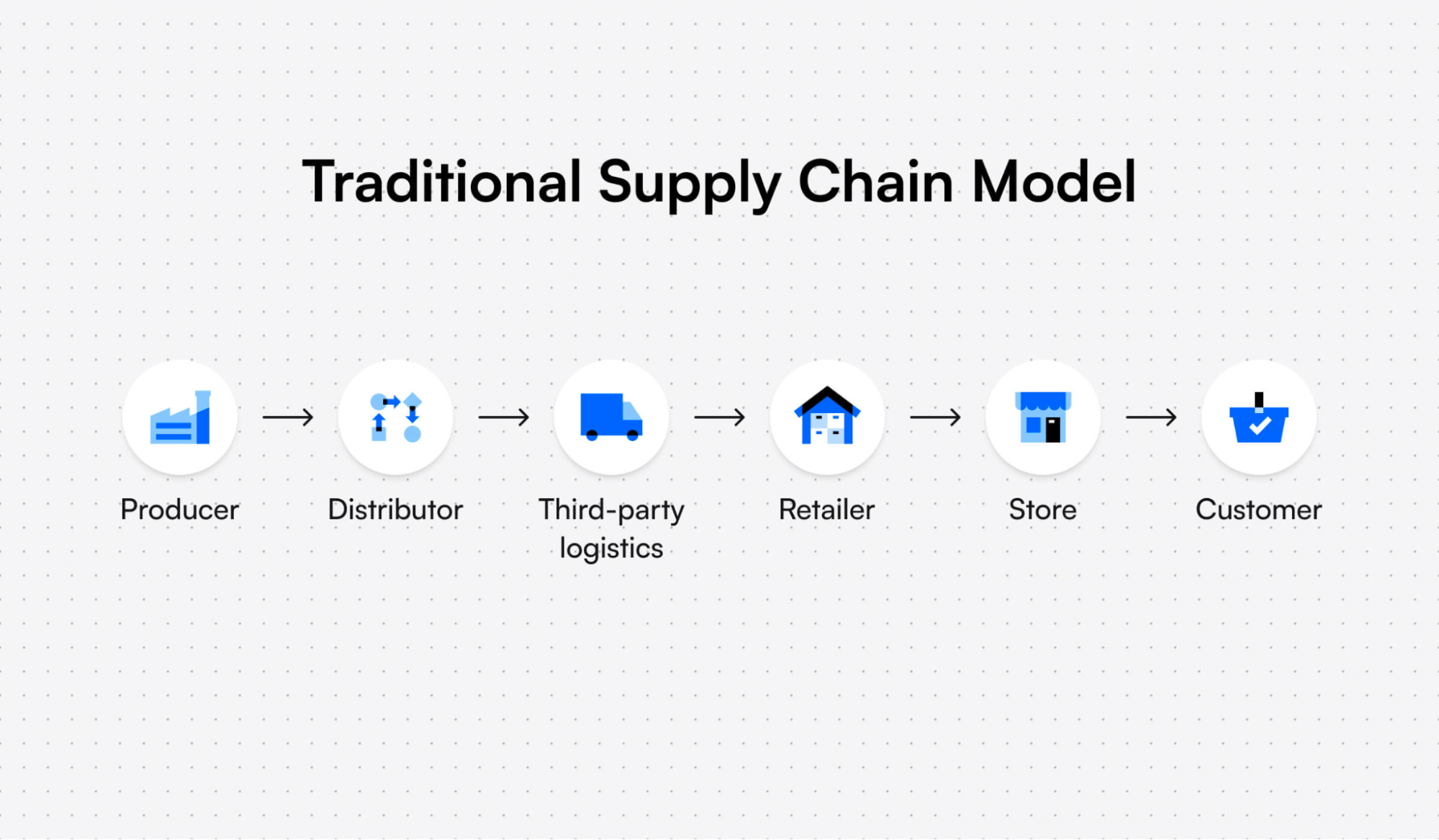
Sounds simple, right? But a ton of tiny details are required to operate swimmingly to pull off this “simple” task.
From sourcing materials to manufacturing, packaging, and shipping, each stage relies on precise coordination and communication. And despite the wonders of modern technology, managing a supply chain can still feel like juggling a dozen balls at once.
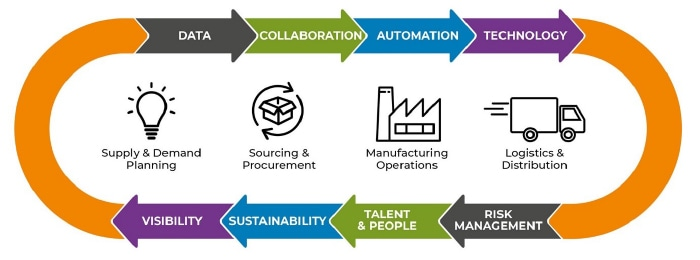
Why? Lack of transparency.
With so many moving parts, it’s often difficult to trace a product back to its origins or to pinpoint where something went wrong. And not to mention delays or other inefficiencies that tend to occur throughout the supply chain.
That said, supply chains are especially vulnerable to the domino effect. For instance, if one stakeholder in the chain experiences a hiccup, it’s possible to throw the whole system off-kilter. And that can lead to frustrated customers, lost sales, and many headaches. Not an ideal scenario.
Similar to many other industries today, fraud is another major concern. Whether it's counterfeit goods, data breaches, or falsified payments — there are bad actors (internally and externally) trying to take advantage of low-hanging fruit.
With that, it’s clear that traditional supply chains are complex beasts riddled with unique challenges. But what if there was a way to tame this beast?
That’s where blockchain comes into play — the hero of our story. So let’s dive into how this technology can transform the chaotic world of supply chains into a well-oiled, efficient machine.
Benefits of Implementing Blockchain in Supply Chain Management
Sometimes, it feels like disruptions are more common than the exception.
And during these turbulent times, businesses and consumers alike are looking at brands and saying, "Hey, can we trust you? Is this product the real deal?" On the flip side, stakeholders throughout the supply chain are shouting from the rooftops for responsible sourcing and more transparency to avoid these dreaded bottlenecks.
And that’s where blockchain shines. It helps the bigwigs and the small players within the supply chain access real-time data, handle whatever chaos is happening, and build a stronger, more resilient, and secure supply chain for whatever comes next.
Increased Transparency and Traceability
Sharing data within the supply chain is beneficial for business operations. However, using an enterprise blockchain platform to share this data elevates its value, primarily because it gives you control over who has access to your information.
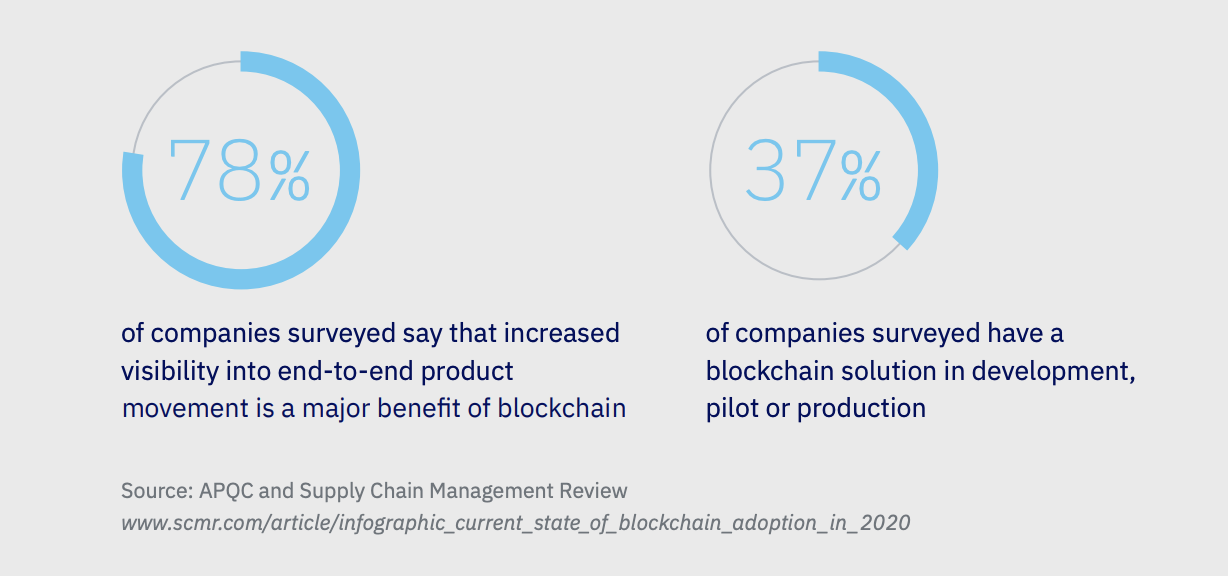
By implementing a supply chain transparency solution through blockchain, you can establish a sense of security and transparency with a distributed ledger. This setup allows you to interact with your supply chain partners in a more reliable and efficient manner.
Each transaction along the product's journey can be documented and securely stored in the form of a new block. The new block is appended to the chain and is permanently secured, providing a transparent account of that specific transaction.
With blockchain, you can:
- Automate processes across the supply chain to reach next-level supply chain efficiency.
- Combine data that's typically siloed and unlock potential new business drivers.
- Track the real-time flow of goods across stakeholders.
The result? Everyone involved, from the manufacturers to the sellers to the customers, can follow the product's journey from start to finish.
Interactive data visualization can further enhance this process by providing a clear, user-friendly view of the supply chain's entire journey. By transforming complex data sets into intuitive visual representations, stakeholders can gain deeper insights and make data-driven decisions with ease.
But how is this possible? Let’s look at an example in action. As a fleet management company, a crucial player in the supply chain process, you can form a group of authorized stakeholders. This group has exclusive access to information stored in the database, also known as the chain of information.
With that, only members with permission, including fleet managers, owners, operators, employees, and vendors, can view blockchain content. As we noted earlier, blockchain distributed ledger technology provides transparency, traceability, and security of data across the supply chain.
Combine that with fleet telematics that allows real-time tracking and monitoring of vehicle and driver activities, and you have yourself a dynamic duo. Together, these technologies can help companies achieve greater efficiency, lower costs, and better customer service in their supply chain operations.
And in a landscape where swiftness, precision, and connectivity are the defining attributes of top-tier supply chains, the role of technology and automation is the ideal way forward.
Improved Security Against Fraud and Theft
Every link in a supply chain presents an opportunity for fraud or misconduct. And according to a Deloitte survey, 29% of businesses reported at least one instance of supply chain fraud per year.
Sadly, these numbers aren’t all that surprising as the supply chain grows more intricate with a host of participants, contracts, and logistical entanglements. It naturally becomes more susceptible to issues like the following:
- Infiltration of counterfeit products poses significant threats to brand reputation and customer safety.
- Instances of deceptive billing stemming from the manipulation of financial records.
- False claims about a product's origin or quality standards.
Thankfully, in the same way that multi-factor authentication bolsters your defense against cybersecurity threats, a blockchain-based supply chain management system can significantly enhance the security of your supply chain operations.
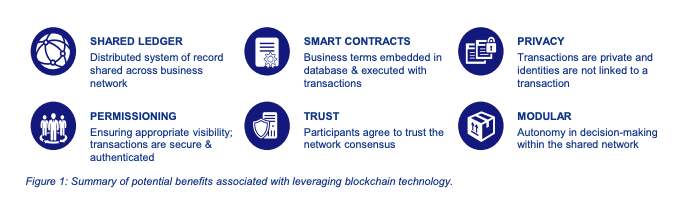
Why? At its core, the blockchain data structure offers a plethora of key security features, like:
- Cryptography or the code-based protection that keeps data secure, allowing only the right people to read it.
- A single, open, timestamped, and transparent version of the truth. This prevents individual data manipulation. Everyone gets an updated copy of the ledger each time it changes, guaranteeing transparency.
- Data on the blockchain is immutable (or permanent) once recorded. If anyone tries to tamper with it, everyone on the network will know.
Curious about how real-world brands are leveraging this technology? The pharmaceutical sector provides a prime example. They are adopting blockchain technology to combat the entry of counterfeit medications into the supply chain.
Given that in some countries, counterfeit drugs make up a staggering 70% of all medications in the supply chain, the importance of this use case can't be overstated.
Early initiatives by major players such as KPMG, Merck, Walmart, and IBM have used blockchain technology to boost industry confidence. They have drastically cut down the time required to trace prescription drugs — from an overwhelming 16 weeks to a mere two seconds.
The result? A significant reduction in fraudulent injections of counterfeit drugs, a better bottom line for all organizations involved, and a safer consumer. It’s a win-win, all thanks to blockchain.
Reduction in Paperwork and Administrative Errors
The complexity of traditional supply chains often leads to a significant amount of paperwork — think purchase orders, invoices, disputes, and shipping manifests.
Soon you’re drowning in a sea of documents that are:
- A severe drain on resources
- Difficult to manage
- Error-prone
On top of that, there are many other complexities, including regulations, legal requirements, and expenses required when starting a business — like registering your business and obtaining any necessary licenses to legally operate. So, adding extra paperwork to your already full plate is a less-than-ideal scenario.
But at the end of the day, setting up an efficient supply chain is crucial to getting your business off the ground and running like a well-oiled machine. And, of course, keeping your customers happy by delivering high-quality products on time is of utmost importance.
The problem? Many blind spots exist in a supply chain. So when a dispute over a transaction pops up somewhere along the line, pinpointing the origin of the discrepancy can be a lengthy administrative process.
Why? A lack of real-time communication and manual processes with room for human error.
Thankfully, the blockchain simplifies these mundane administrative tasks via smart contracts to help alleviate some of the pressure when starting out. You can think of a smart contract as an automatic, computer-run contract that doesn't need human intervention to make sure it's followed.
And we have some of the big box players to thank for being the guinea pigs in putting these digital solutions to the test. For instance, The Home Depot has successfully implemented smart contracts to quickly resolve disputes with vendors and build stronger vendor relationships.
With all stakeholders having digital access to a single source of data (and saying goodbye to paper audit trails), smart contracts remove any manual intervention (and paperwork) if a dispute occurs. It’s as simple and clean as that.
And if The Home Depot can benefit from smart contracts with over 35,000 products per store, imagine what they can do for a small business when implemented from the get-go.
Improved Investment Management
As blockchain technology continues to shape various industries, its impact on financial services can't be overlooked. One such area that blockchain is disrupting is investment management.
With the rise of automated investing and Robo-Advisors, blockchain provides a more transparent and secure way of managing investment transactions.
The decentralized nature of blockchain enables Robo-Advisors to operate on an audit trail, allowing for secure and tamper-proof record-keeping. Automated investing platforms can utilize blockchain data structures to improve efficiency in supply chain management through smart contracts that automate transactions between participants in the supply chain.
With benefits like these, the adoption of blockchain by Robo-Advisors and automated investing platforms can result in significant advancements in investment management and beyond.
Conclusion
Blockchain technology is much more than a passing trend. It is revolutionizing the way supply chain management is done, providing solutions to the numerous issues in the traditional supply chain system.
This data structure's decentralized, secure, and transparent nature brings about a new level of trust, visibility, and efficiency to the entire process.
With the ability to monitor the entire journey of the supply chain, stakeholders can now access real-time data that allows them to avoid costly delays and meet the demands of a rapidly changing global market. What’s not to love?