Blockchain Basics - What are Blockchain Explorers?
Blockchain explorers are essential tools in the world of cryptocurrency, providing a transparent view into the workings of blockchain networks like Bitcoin. These platforms allow users, developers, and researchers to search and analyze the data on a blockchain, offering insights into transactions, blocks, and addresses.
How do Blockchain Explorers work?
To understand how a blockchain explorer works, we first need to understand what a blockchain is. A blockchain is a digital ledger technology that stores data in a decentralized and secure manner. It consists of a chain of blocks, where each block contains a set of transactions. These blocks are linked to each other through a cryptographic hash, a unique digital fingerprint. This linking of blocks ensures that once a block is added to the chain, it becomes extremely difficult to alter its contents, thereby providing a high level of security and integrity.
This fundamental structure of linked blocks is what makes blockchain explorers not only possible but also a powerful tool for ensuring transparency and trust in the digital transaction ecosystem. Since each block is connected to the previous one, a blockchain explorer can track and display the history of all transactions on the network. It can do so in chronological order, making it easy to trace the journey of a particular transaction or to inspect the contents of a specific block.
The functionalities of Blockchain Explorers
The vast majority of blockchain explorers feature some key functionalities:
- Transaction History: View the history of transactions for any given wallet address.
- Block Analysis: View detailed information about each block, including the timestamp, size, miner’s information, and the transactions it contains.
- Real-time Tracking: Real-time data on blocks and transactions as they are broadcasted and confirmed.
View or Track a Transaction
The easiest way to find and track a transaction on the blockchain is by searching for it with the Transaction ID (TXID) an unique identifier that represents a specific transaction on a blockchain network. When a transaction occurs, such as sending or receiving cryptocurrency, the blockchain generates this unique string of letters and numbers. If you are a sender or receiver of a transaction, your wallet will display the TXID associated with it.
By inputting the TXID into a blockchain explorer, anyone can view the details of the transaction, including the sender's and receiver's wallet addresses, the amount transferred, the date and time of the transaction, and its current status (whether it's pending, confirmed, or failed).

Check a Wallet’s Balance and Transaction History
With Blockchain Explorers you can easily check any wallet’s balance and transaction history. By searching for the wallet's address on the explorer, you can access comprehensive information about that wallet. This includes the current balance, which is calculated by summing all incoming and outgoing transactions associated with that address.
Additionally, the transaction history provides a detailed record of all transactions made to and from that wallet. This history shows transaction dates, amounts, and the corresponding TXIDs. This feature is particularly useful for tracking your own transactions, understanding the activity of a specific wallet, or even scrutinizing the flow of funds for security or analytical purposes. Blockchain explorers make this process straightforward, providing a clear and accessible way to monitor wallet activities on the blockchain.
It is worth noting that when using a centralized service, such as a cryptocurrency exchange or a wallet hosted by a third party, the balance displayed in your wallet might not exactly match the balance shown on the blockchain for your address. This discrepancy could be a result of the aggregation of funds in the service’s main wallets, internal transactions made within the platform and many others.
Viewing Block Data and Blockchain Analytics
Blockchain explorers are not just limited to tracking transactions and wallet balances; they also offer in-depth analysis and viewing of block data, providing insights into the broader network dynamics. Some of the more powerful blockchain explorers go beyond basic functionalities and offer advanced features that allow users to delve deeper into blockchain analytics.
Block Analysis
Users can view detailed information about each block on the blockchain, including the block height (its position in the chain), the timestamp (when it was mined), block reward, and the size of the block.
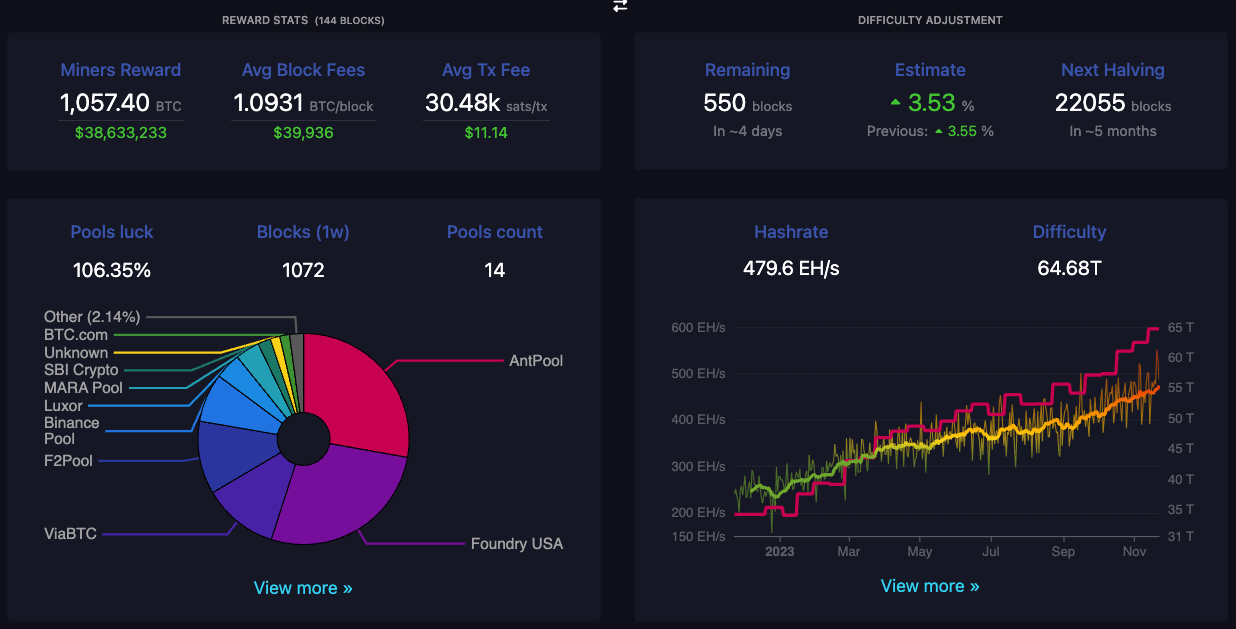
Information about the miner or mining pool that successfully mined the block may also be available. This can give insights into the distribution of mining power across different pools, which is important for understanding the decentralization of the network.
Mining Statistics
Advanced explorers like mempool.space may provide statistics like the current network hash rate, which indicates the total computational power being used to mine and process transactions on the blockchain. They may also display information about the network difficulty, a metric that adjusts to ensure that the time between each block remains consistent as the network's hash rate changes.
Mempool, Transaction Costs & Real-Time Data
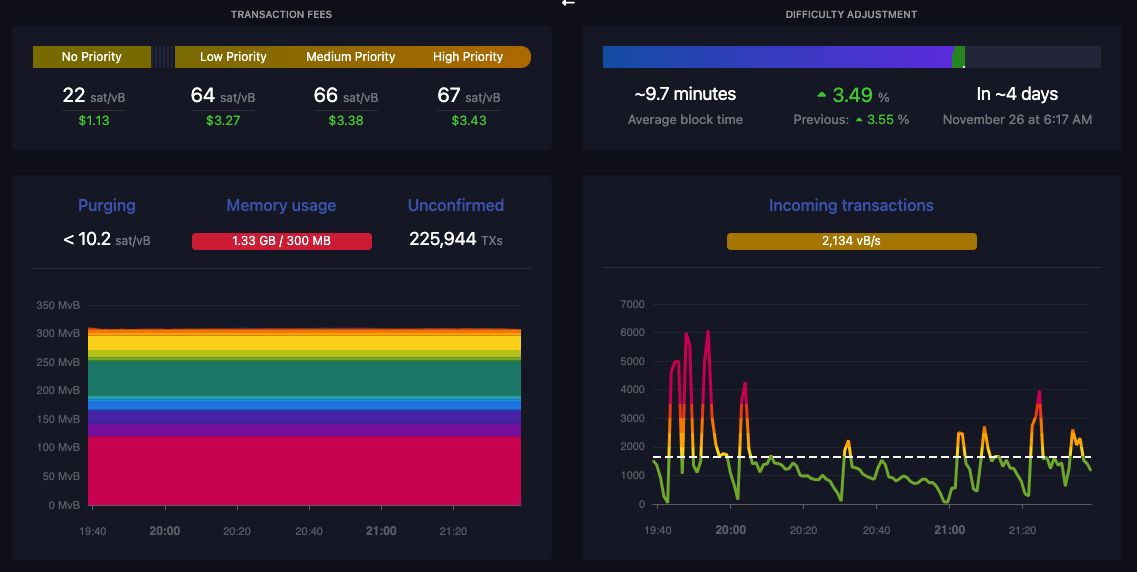
Some explorers may track the average transaction costs, including fees paid for each transaction. This is crucial for understanding the cost dynamics of using the blockchain and can be a significant factor in blockchain scalability and efficiency debates. Some explorers also show the gas prices for blockchains like Ethereum, where transaction costs vary based on network congestion.
Another powerful feature is the ability to view transactions in the mempool, which are transactions that have been broadcasted to the network but are not yet confirmed in a block. This can provide a real-time view of network activity and congestion.
Conclusion
Blockchain explorers play a vital role in the cryptocurrency ecosystem. By making blockchain data accessible and understandable, they enable users to track their transactions, understand network dynamics, and maintain transparency in their crypto dealings. Whether you're a casual user, a developer, or a researcher, understanding and utilizing blockchain explorers can significantly enhance your engagement with the world of cryptocurrencies.