Bitcoin Mining and District Heating: A Match Made in Heaven
In this guest post, Hashlabs, a NiceHash partner, introduces its innovative integration of bitcoin mining and district heating and explains how this mining model benefits both the miner and the wider community.
Introduction of Hashlabs’ project
Since August 2024, our first site in Finland has successfully delivered heat to 15,000 residents while mining a good chunk of bitcoin at a low cost. We will launch our second such district heating mining site in May, with plans for several more over the coming year.
Below is a picture from our first site. As you can see, it is filled up with hydro-cooled machines from WhatsMiner. Thus far, only machines of this brand can deliver sufficiently warm water.
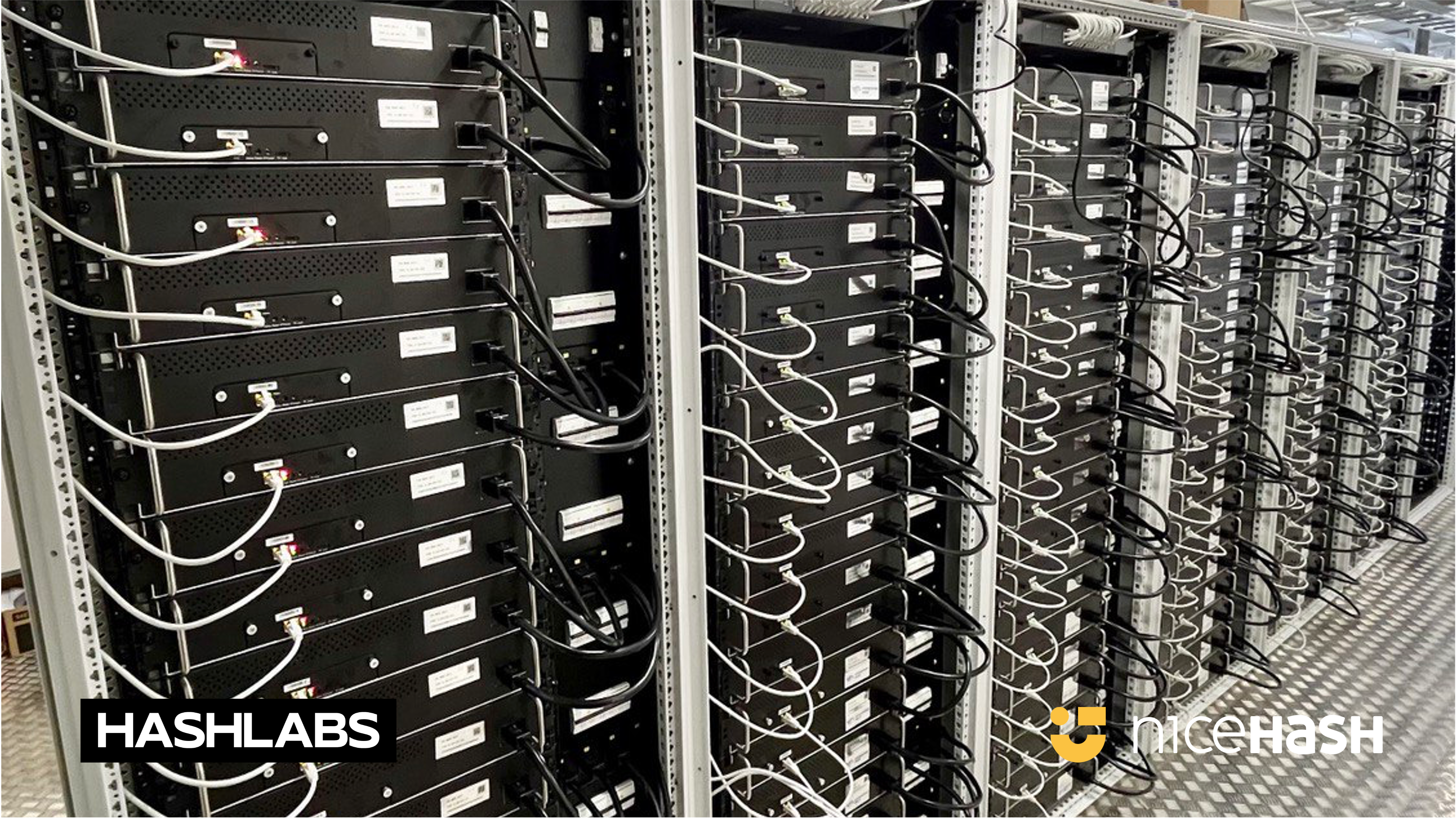
Bitcoin mining machines in Hashlabs’ first district heating mining site in Finland
The site consists of a heat reuse module, which is a skid consisting of two 40-foot containers put together. This heat reuse module is placed right next to a district heating site, where our machines deliver warm water.
We firmly believe that integrating bitcoin mining with district heating is the best operating model in the world, particularly in Europe. We will explain the benefits later in this newsletter. But first we will explain how this process works.
How bitcoin mining district heating works
Everybody knows that bitcoin mining machines generate vast amounts of heat, but how is this waste heat repurposed on a large scale in practice?
A district heating system provides heat to multiple buildings from a single source. The process typically begins with producing heat in a plant by burning fuel like biomass, natural gas, or coal. The heat generated by burning the fuel is transferred to hot water, flowing through underground pipes to individual buildings connected to the district heating system.
Once the hot water reaches a building, it heats the premises through various means, such as radiators, underfloor heating systems, or hot water tanks. After the heat is transferred to the building, the cooled water returns to the plant through a separate network of pipes to be reheated and redistributed, completing the cycle.
Bitcoin mining can be integrated into the heat production stage of this cycle. Hydro-cooled machines, particularly the WhatsMiner ones, generate hot water that can be pumped into the large water tank of the district heating plant. The district heating plant buys the heat from the bitcoin miner and delivers this heat to its district heating customers.
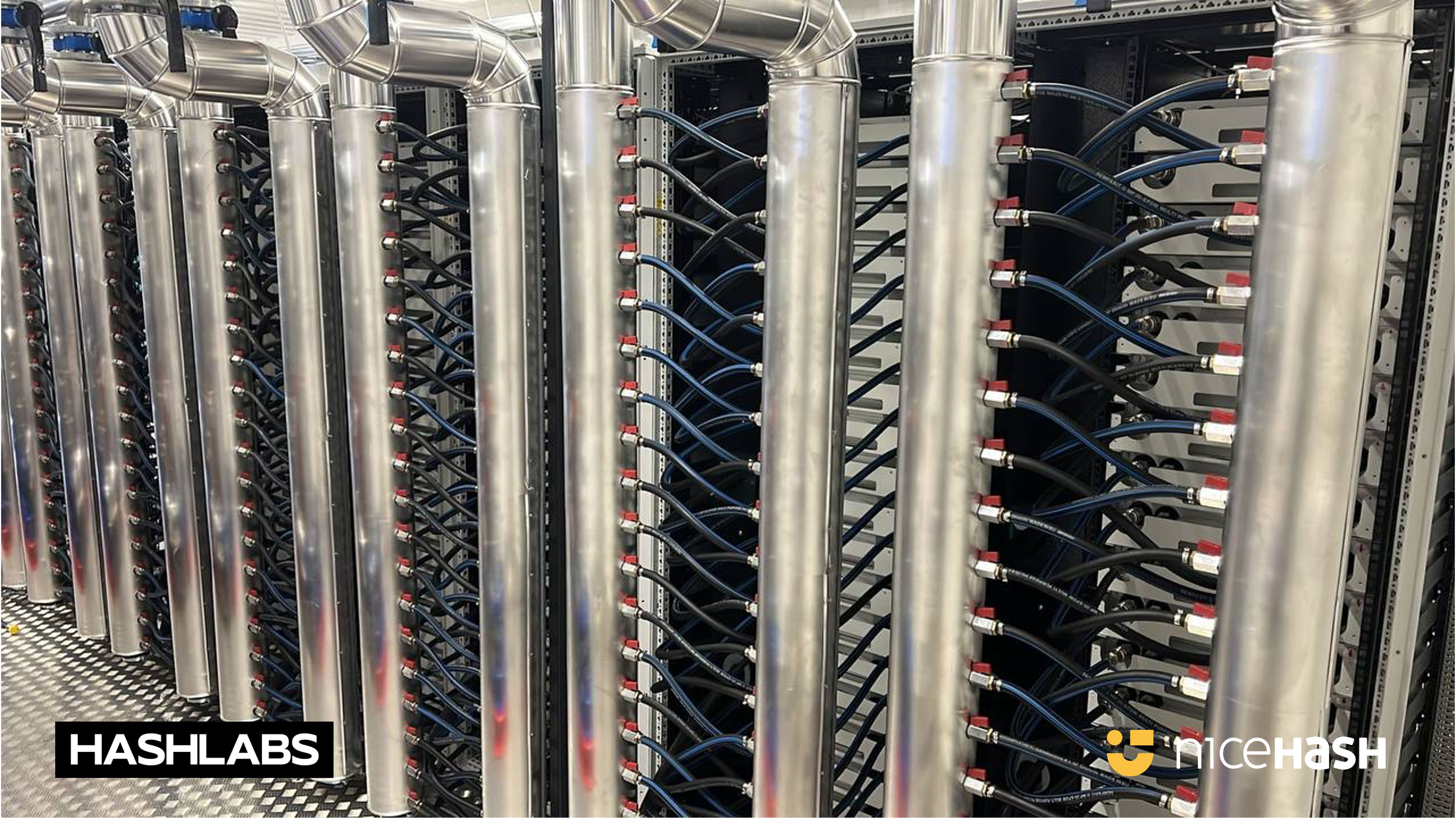
The backside of Hashlabs’ bitcoin mining machines in Finland, integrated with district heating
Above, you can see a picture of the backside of our bitcoin mining machines in Finland. The hot water is captured and delivered by the stainless steel pipes and pumped into the district heating system.
It is important to note that bitcoin mining cannot provide 100% of the heat to a district heating plant, but more like 20%. This is due to the significant difference between heat demand in the summer and winter. Bitcoin mining can provide constant baseload heat (the lowest heat demand over the year) but during the winter, when heat demand increases, the district heating company must still fire up its fuel-powered boilers.
What incentivises this collaboration between bitcoin miners and district heating systems? In the next section, we will explain the benefits of this model in the eyes of the district heating system, the wider community, and the bitcoin miners.
The benefits of bitcoin mining district heating
The integration of bitcoin mining and district heating provides several benefits for the bitcoin miner, the district heating company, and society as a whole. Here is a list of benefits for each party.
Benefits for the bitcoin miner
- Lower costs: We can view the extra income from the heat sales as an effective reduction in the electricity cost. Miners selling their heat are naturally more cost-competitive than miners who just pump the heat into the air.
- Lower risk: Bitcoin miners who heat homes are providing a critical energy service and are thus indispensable in the energy system. This deep integration drastically reduces risk for the bitcoin miner. You can read more about that in this article.
Benefits for the district heating companies
- Lower costs: If a country’s electricity is relatively cheap, bitcoin miners can deliver heat at a lower cost than the district heating plant can by burning fuel. In the case of Finland, electricity is relatively cheap due to the abundant nuclear energy.
- Less regulatory pressure: In some countries, like Finland, the government is heavily pushing against the burning of fossil fuels. By integrating a bitcoin mining component, district heating plants effectively electrify part of their heating and can thus consume less fossil fuels.
Benefits for the wider society
- Enhanced energy security: Like most countries in the geographic eastern half of Europe, Finland has historically imported significant amounts of fuels from Russia. By utilising the heat from bitcoin mining, Finland reduces its dependence on fuels in district heating and can thus reduce its import of Russian energy.
- Lower carbon emissions: There is a strong consensus in Europe, at least politically, that reducing carbon emissions is a good thing. By integrating bitcoin mining with district heating, we replace fossil fuels and thus reduce carbon emissions.
Conclusion: A Win-Win-Win Solution
The integration of bitcoin mining with district heating presents a revolutionary model that benefits all stakeholders. Miners gain lower costs and reduced risk, district heating companies secure more affordable and sustainable heat, and society benefits from improved energy security and lower carbon emissions.
As Europe moves toward energy independence and sustainability, bitcoin mining is proving to be a crucial player in modernizing district heating infrastructure.
At Hashlabs, we are leading the charge in this transformation. Our projects in Finland demonstrate the real-world impact of mining-powered district heating, and we’re expanding rapidly. If you’re interested in learning more about how we are reshaping the future of energy, contact us today to explore potential collaboration opportunities.