Bitcoin: From Birth To Global Recognition
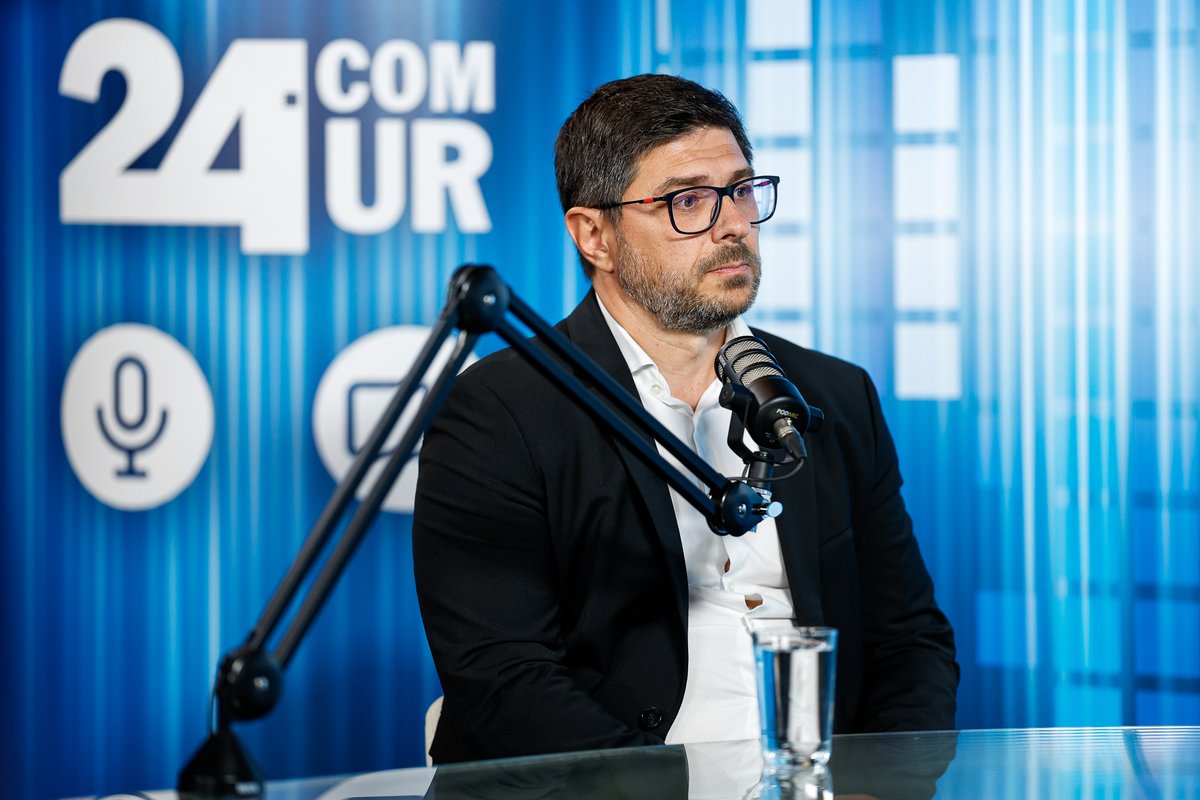
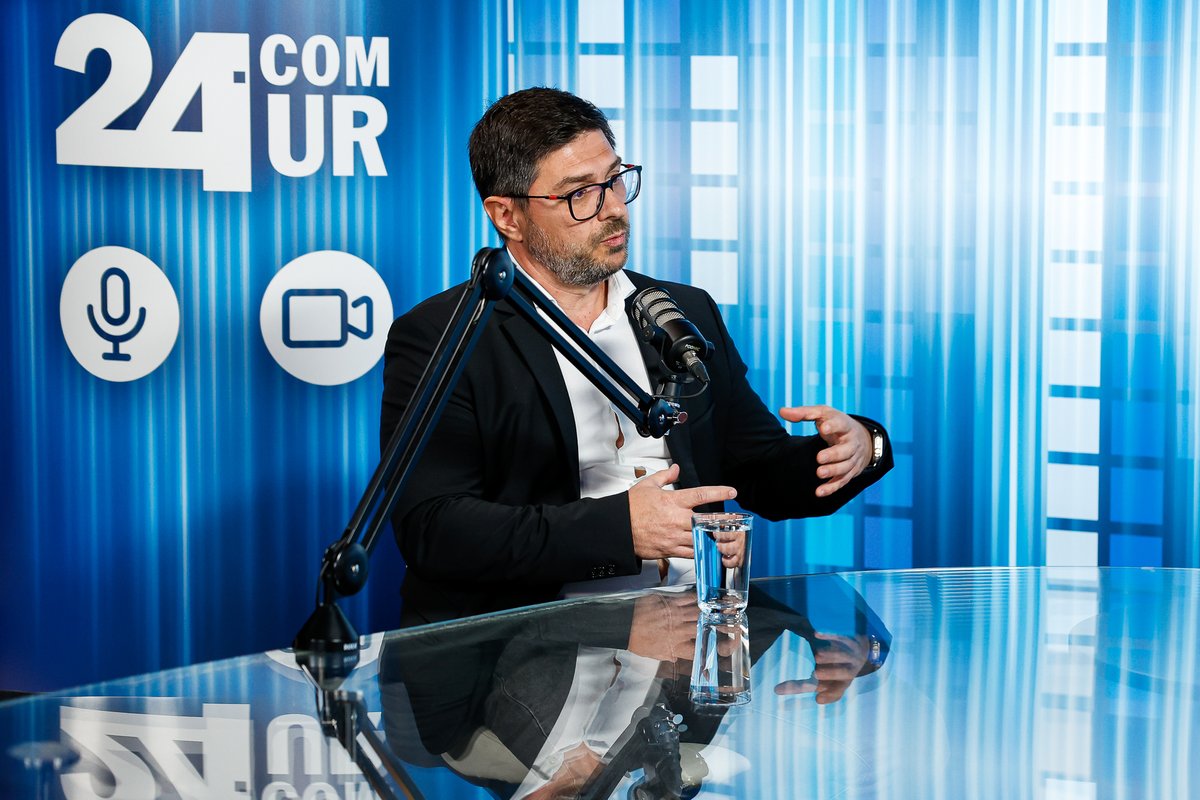
Our CEO, Vladimir Hozjan, was recently invited to Slovenia’s top financial podcast (called Popkast), to discuss how Bitcoin has evolved since its creation. From a first transaction for two pizzas, to a national currency in El Salvador, it is clear that Bitcoin is no longer an experiment.
This article is translated from the original source in Slovenian language.
Bitcoin: From Birth To Global Recognition
Bitcoin is in its ‘teenage’ years and full of potential, but still beset by challenges. Although the future of cryptocurrencies may be uncertain, it is clear that bitcoin is no longer just an experiment, but an established digital asset that is increasingly positioned at the very top of the global financial system.
Bitcoin's early years were an era of experimentation and pioneering spirit. When Satoshi Nakamoto released the open source software for bitcoin in 2009, he had a hard time imagining how dramatically it would affect the world. In the beginning, bitcoin had barely any monetary value; the first known bitcoin transaction, when someone bought two pizzas for 10,000 BTC in 2010, is now a legendary anecdote.
At first, only a narrow group of people were interested in bitcoin, who were enthusiastic about the concept of decentralization and freedom offered by this new form of money, bitcoin maximalist Dr. Vladimir Hozjan, CEO of NiceHash:
"Bitcoin was created 15 years ago and by 2017 it completed its ‘birth’ problems, now it is entering its ‘teenage’ years, because it is currently the fifth epoch out of a total of 32, it is the period between individual halvings, when the amount of bitcoins mined is cut in half."

Although bitcoin still exhibits certain characteristics of a rebellious adolescent – volatility, rapid changes in price and misunderstanding by some – it is gradually developing into a mature, stable investment vehicle. With increasing interest from institutional investors and potential use by countries as a strategic asset, it is clear that the future of bitcoin is bright.
"An important change that signals the maturity of bitcoin is the interest of countries such as the United States to begin to consider bitcoin as a potential strategic reserve. Similar to gold that countries hold as a hedge against currency volatility, bitcoin could serve as a hedge against inflation and the devaluation of fiat currencies. El Salvador, which has also adopted bitcoin as an official currency, already stores a portion of its national reserves in bitcoin. Although such approaches are not yet widely accepted, they indicate that bitcoin's role in global finance is definitely on the rise."
Bitcoin mining is the process by which transactions are confirmed and added to a public ledger called the blockchain. It is a key part of the bitcoin network that ensures the safety and reliability of transactions. Miners use powerful computers to solve complex mathematical problems, which requires large amounts of computing power. When a miner successfully solves a problem, they receive a reward in the form of new bitcoins and transaction fees. Bitcoin mining remains critical to the operation and security of the network. Despite challenges such as energy costs and regulatory hurdles, some believe new technologies and renewable energy sources could change the future of mining and reduce its environmental footprint.
"All the miners are looking for a number like a lottery, who will be the first to find a number that matches the criteria, and all the miners in the world do the same. The prize is every 10 minutes. Every day 25 million euros are mined and everyone in the system monitors each other so that there is no fraud."
The development of the crypto ecosystem in Slovenia offers many opportunities that could benefit both the economy and individuals. With the presence of knowledge and technological competence, Slovenia could become an important center for innovation in the field of cryptocurrencies and blockchain technologies. Encouraging research and development in this industry could help attract foreign investment, which would have a positive impact on economic growth. In addition, the development of successful companies in this area could lead to potential public offerings of shares (IPO), which would further strengthen economic stability and increase the visibility of Slovenia on the global market.
"In the context of the growing interest in bitcoin and blockchain, it would be strategically important for Slovenia to take advantage of these opportunities and establish itself as a leading country in this dynamic sector. The first international bitcoin conference will be held in Slovenia in November."
View the original podcast (in Slovenian language) on Popkast’s website: https://www.24ur.com/popkast/financni-popkast-bitcoin-od-rojstva-do-globalne-prepoznavnosti.html